A flight cancellation can feel like the floor drops out from under your plans—especially when you’re juggling work, family, or a carefully timed connection. The good news: the first 30 minutes after a cancellation are where you can make the biggest difference, often without standing in a long line.
This practical roadmap walks you through what to do (and in what order), how to decide on a rebooking path, what to document, and the basics of refunds in plain English—based on high-level U.S. Department of Transportation (DOT) guidance. Think of it as a steady, step-by-step script for what to do if flight is canceled.
What to do first (before you join a long line)
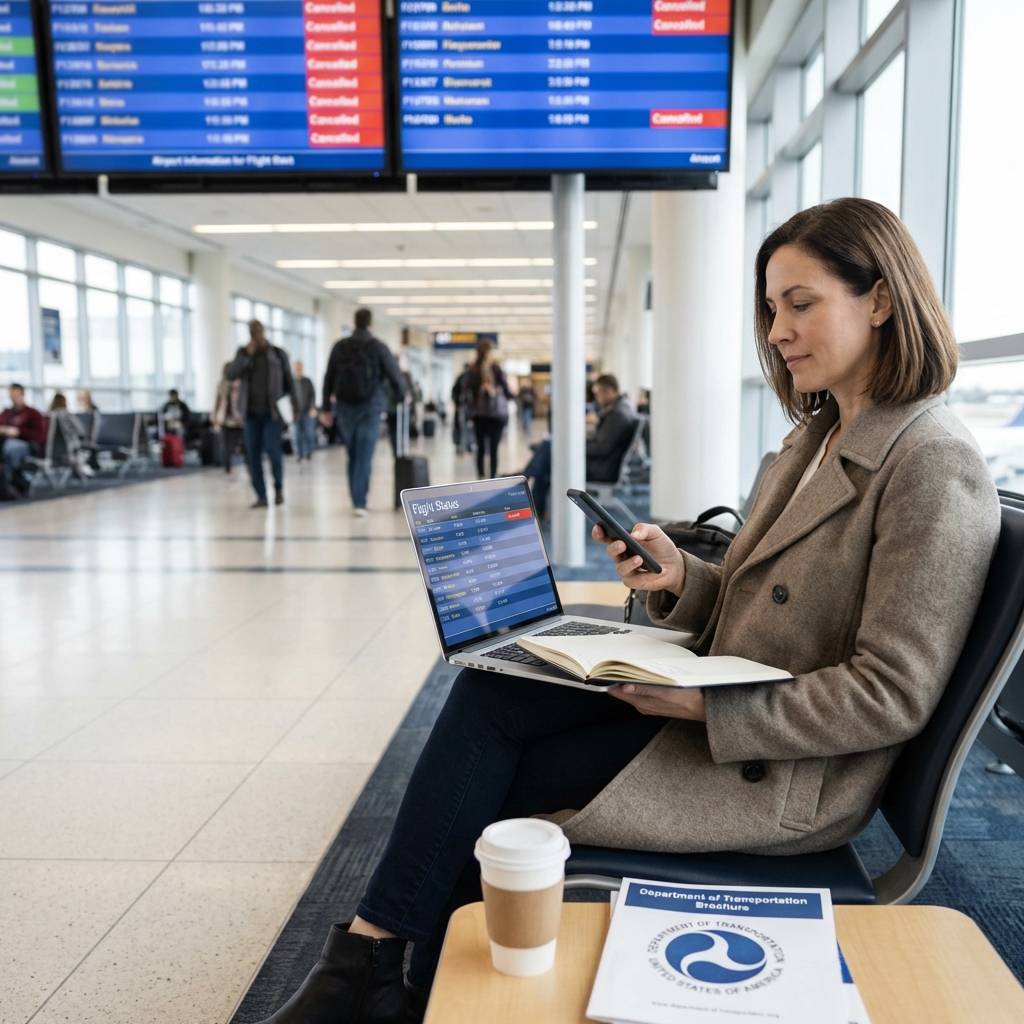
First, take 60 seconds to confirm what’s actually happening. In airline terms, a cancellation means the flight isn’t operating at all. A delay means it’s still scheduled to operate (even if the time keeps moving). A schedule change is an advance adjustment—often days or weeks before travel.
Now use your “first 10 minutes” checklist:
- Check official messages in your text/email and inside the airline app.
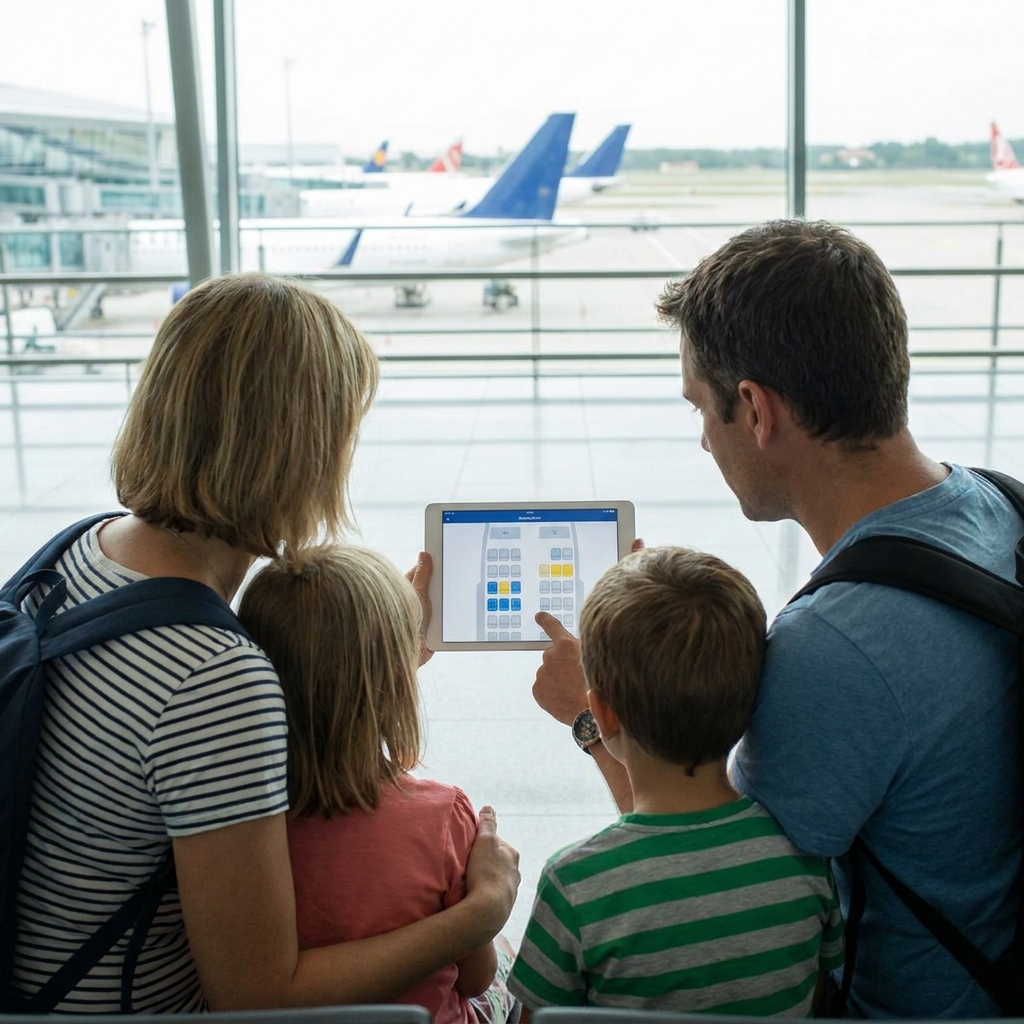
- Open the airline app and pull up your reservation—this is often faster than the counter.
- Search alternatives immediately: later flights, different routings, and partner flights if shown.
- Protect your connection chain: if one leg is canceled, look at the entire itinerary, not just that segment.
- Only then decide if you need an agent. Many rebooks can be done faster via self-service tools.
If you’re traveling with others, agree on your top goal right away (get there today vs. keep the itinerary vs. minimize cost). That decision makes every next click easier.
Rebooking options to check in the app—and what to ask for if you call
Most airlines offer some level of self-service rebooking when they cancel a flight. These airline app rebooking steps vary, but the decision tree is similar.
- Option A: Same-day, same airline (simplest). Look for the earliest flight with seats—even if it’s to a nearby hub with a quick connection.
- Option B: Reroute. Try alternate connections that still get you to the same destination. Sometimes one extra stop beats waiting overnight.
- Option C: Nearby airports (if realistic). Consider departing from or arriving into an alternative airport you can actually reach safely and affordably.
- Option D: Split the party. If you’re traveling with family or friends, splitting can get at least some people moving sooner. The downside is coordinating arrivals, bags, and ground transportation.
If the app isn’t offering workable choices, contact the airline using the fastest channel available: app chat, phone, or an agent desk. Be concise: “My flight was canceled. I’d like to be rebooked to this specific flight number/time, or the earliest arrival today.” Ask what alternatives they can see that aren’t showing in your app, and confirm whether any fare difference applies before you accept changes.
These flight cancellation rebooking tips help you stay in control: know your preferred replacement flight(s), keep one person on hold while another searches options, and don’t cancel your booking in frustration unless you’re sure you want a refund instead of a rebook.
What to save (screenshots and receipts) in case you need to follow up
Documentation is your quiet superpower. When emotions are high, details get fuzzy—so capture them while they’re clear.
Quick documentation checklist:
- Screenshots of the cancellation notice, your itinerary, and any rebooking offers shown in the app.
- Timestamps: when you were notified, when you accepted a rebook, and any promised times for updates.
- Receipts for extra expenses you choose to purchase (meals, transportation, hotel), plus what they were for.
- Notes from conversations: the channel (phone/chat/desk), the agent’s name or ID if offered, and what was stated.
- Boarding passes (old and new), especially if you end up on multiple flights.
Even if you never need to escalate, this makes any follow-up calmer and faster—and it’s helpful for travel insurance claims if you have a policy (coverage varies, so check your plan’s terms).
Refund basics in plain English (based on official guidance)
Refunds can feel confusing because airline policies differ and situations vary. At a high level, DOT guidance is often cited for the idea that if an airline cancels a flight and you choose not to travel, you may be entitled to a refund for the unused portion of your ticket. The details can depend on your itinerary, what you accept as a replacement, and whether the ticket is refundable or nonrefundable—so it’s smart to read the airline’s own contract/policy language too.
Practical approach:
- If you still want the trip, prioritize rebooking first.
- If the replacement doesn’t work and you decide to stop traveling, ask the airline clearly for a refund (not just a credit), and keep a record of your request.
- Be cautious about clicking “cancel” in the app without reading the option presented (credit vs. refund can be offered differently).
If you’re stranded, focus on comfort without overcomplicating it: charge devices, refill water, eat something, and choose a well-lit, staffed waiting area. For extra expenses, don’t assume reimbursement; ask the airline what they will cover in your specific case and save receipts either way.
If you can’t resolve the issue through the airline’s customer service channels, DOT offers an aviation consumer complaint process. Use it as a structured, factual report—dates, flight numbers, what you requested, and what response you received—without exaggeration.
Sources
Recommended sources to consult (and references for verification). Policies can change, so verify current DOT guidance on refunds for cancellations and significant itinerary changes, and follow the airline’s own written policy for your ticket.
- U.S. Department of Transportation (transportation.gov) — Aviation Consumer Protection, refunds guidance, and complaint process
- FAA (faa.gov) — General information on air traffic and common causes of delays/cancellations
- TSA (tsa.gov) — Checkpoint and travel-day planning information (useful if you’re rebooked and need to re-time your airport arrival)