Spring trips are wonderful—until your eyes feel scratchy, your nose won’t stop running, and you can’t figure out whether it’s the destination, the airplane air, or the hotel room setting you off.
This guide is strictly about comfort and logistics: what to pack, how to “reset” your room when you arrive, and simple on-plane habits that can help you feel more comfortable during spring allergy season. It’s not medical advice, and it doesn’t replace guidance from a clinician—especially if you have asthma, severe allergies, or symptoms that worry you.
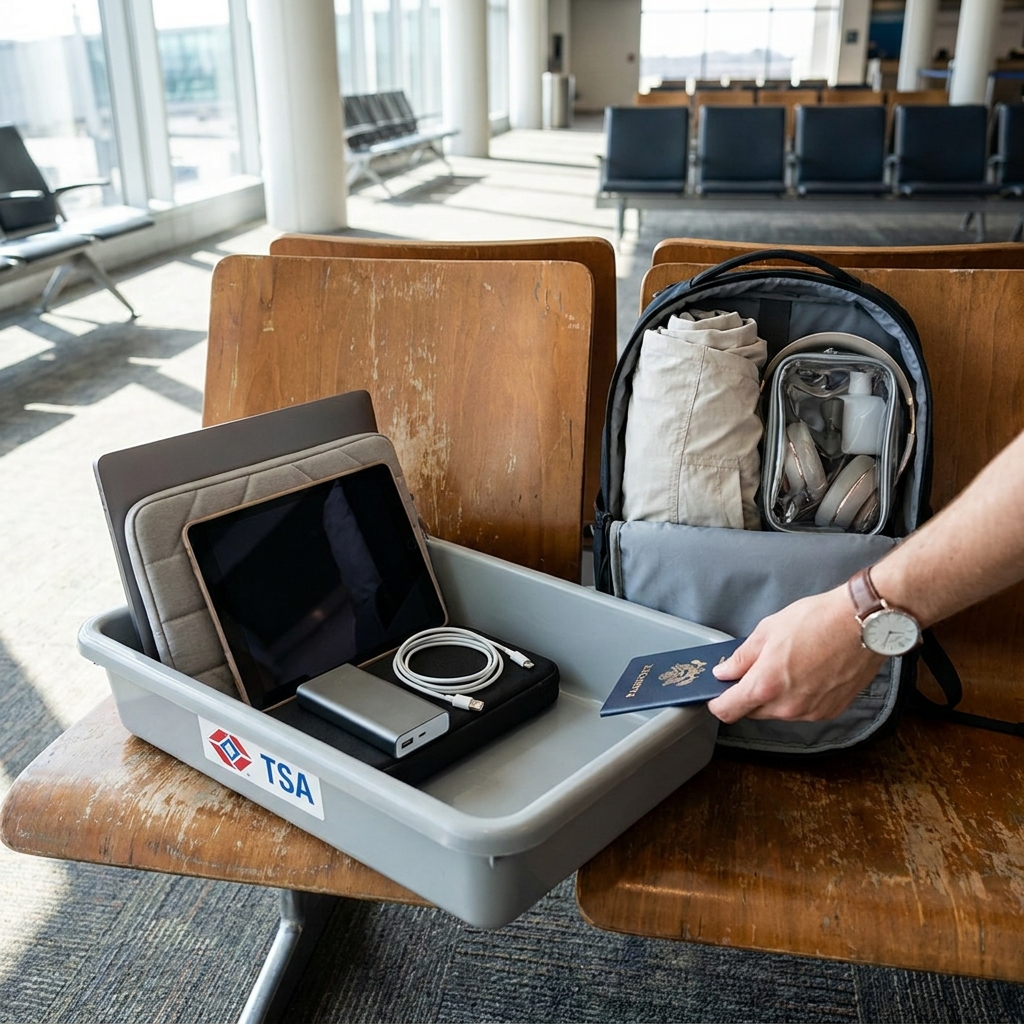
What to pack for pollen season that stays TSA-friendly
When you’re traveling, the goal is to keep your comfort basics within reach—without overpacking or relying on anything you may not be able to bring through security. A few small items can make a big difference when environments change quickly.
- Tissues and a small pack of unscented wipes (handy for hands, tray tables, and quick cleanups)
- Glasses and a hard case if you wear contacts—many people find contacts feel less comfortable in dry air
- A clean, spare top (changing after a long travel day can feel better than sitting in “outside” clothes)
- A lightweight scarf or wrap (comfort on chilly flights and a simple barrier if you’re in a dusty space)
- Saline spray or eye drops only if they’re products you already use and you’ve checked current TSA guidance for how to pack them
- A few resealable bags for liquids, used tissues, or keeping items separated
TSA-friendly liquids planning: TSA rules can change, and exceptions can apply, so the most reliable approach is to confirm directly on TSA.gov before you fly. If an item counts as a liquid, pack it in a clear quart-size bag when required, and consider bringing a backup in your checked luggage if you’re unsure.
A quick room ‘reset’ routine when you check in
Hotels and short-term rentals can feel unpredictable during spring—especially if windows have been open, housekeeping used fragranced products, or the room has been sitting closed up. You don’t need a deep clean; think “light reset” for peace of mind.
- Start with airflow decisions: if outdoor pollen is a concern, keep windows closed and use the room’s HVAC/air setting instead. If the room feels musty and outdoor air seems clear, a brief airing-out may feel better.
- Do a fast high-touch wipe: remote, light switches, door handles, nightstand, and bathroom counter using your own unscented wipe.
- Claim a clean zone: choose one surface (like a dresser top) for your essentials so you’re not placing contact cases, glasses, or face items everywhere.
- Reduce fabric contact: if you’re sensitive to fragrances, consider bringing your own pillowcase or a thin travel sheet as a personal layer.
- Keep “outside” items contained: shoes by the door, jacket hung up, and an easy spot for your day bag.
If something in the room smells strongly of fragrance or seems dusty, it’s okay to ask for a different room. Comfort is part of the stay.
On-plane comfort habits for dry air and irritated eyes
Airplane cabins are often dry, and travel days can mean less sleep, more screen time, and lots of shared surfaces. None of this is a diagnosis—it’s just a recipe for feeling a little “off,” especially if your eyes and nose are already sensitive in spring.
- Hydrate in a basic, steady way: bring an empty water bottle through security and fill it after (sip regularly rather than chugging).
- Plan “blink breaks”: if you read or scroll, pause occasionally and look away to rest your eyes.
- Avoid rubbing your eyes: it can make irritation feel worse; use a clean tissue instead if you need to dab.
- Keep key items accessible: tissues, wipes, lip balm, glasses case, and any approved personal care liquids in a small pouch under the seat.
- Choose comfort over perfection: if you can, select a seat that supports your rest (and reduces stress, which can make discomfort feel louder).
After you land, a quick face/hand wash and a change into a clean top can be a simple “reset” before you start your plans.
When to check official sources (and when to call a professional)
For travel planning, it can help to check local conditions without spiraling. If you know you’re sensitive during spring, a quick look at reputable pollen or air-quality information can guide decisions like outdoor timing, whether to keep windows closed, and how proactive to be with your comfort routine.
Consider calling a professional (such as your primary care clinician or an allergy specialist) if you have symptoms that are severe, unusual for you, getting worse, or affecting breathing or sleep. And if you use any treatments or medications—prescription or over-the-counter—confirm travel plans and proper use with a clinician and follow the product label.
This article intentionally avoids recommending medications. The goal is simply to help you travel with fewer irritants and more practical comfort tools.
Sources
Recommended sources to consult (and to verify current rules and guidance):
- Transportation Security Administration (tsa.gov) — verify current 3-1-1 liquids guidance and how items like eye drops or saline sprays should be packed
- Environmental Protection Agency (epa.gov) — general indoor air quality and ventilation considerations
- Centers for Disease Control and Prevention (cdc.gov) — general travel health guidance and practical travel hygiene reminders
- American Academy of Allergy, Asthma & Immunology (aaaai.org) — general educational information about allergies and pollen
Verification note: If you plan to fly with eye drops, saline spray, or other liquids, confirm the latest TSA guidance directly on tsa.gov before your trip.